


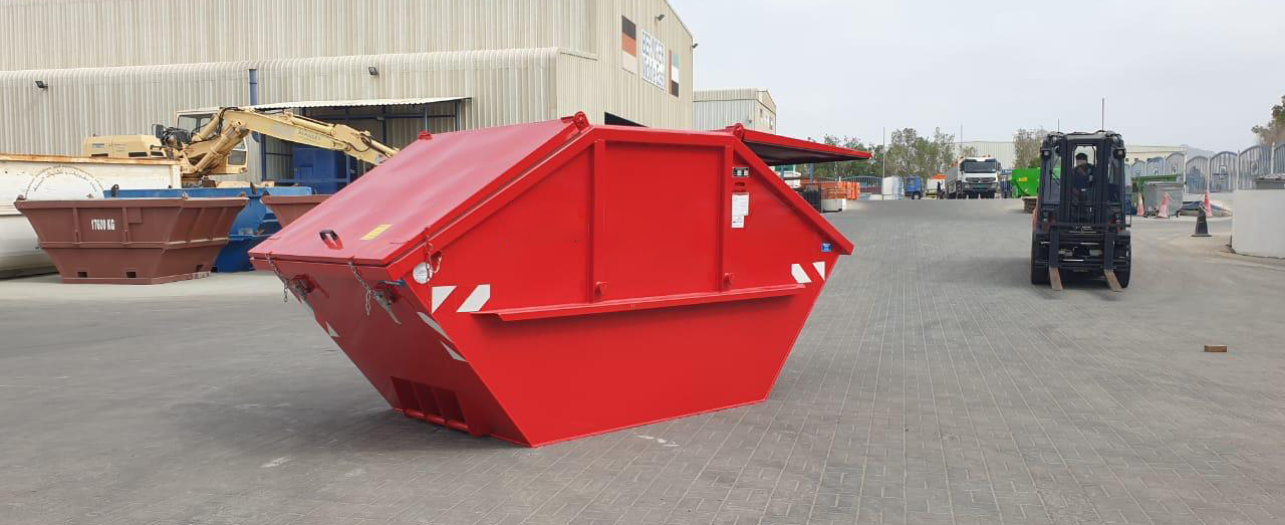
You have seen it before. A skip bin piled so high that trash falls off the sides. A worker climbing up the edge to throw something in. A truck driver shaking their head because the load is unsafe to haul. These scenes play out daily on construction sites across the UAE. And they lead to injuries, fines, and project delays.
Loading a waste skip seems simple. You throw stuff in until it is full. What is there to learn? Plenty. And getting it wrong can cost you more than you think. Let us walk through the right way to load a waste skip UAE regulations and common sense demand.
Why correct loading matters more than you realise
A skip bin that is overloaded or unevenly filled creates real dangers.
First, the truck that collects it. Hydraulic lifting systems have limits. Exceed those limits, and you risk equipment failure. A skip that falls off a truck during collection can crush someone.
Second, transport. An overloaded skip on public roads is illegal. It also shifts during transit. That affects how the truck handles. We have seen skips tip over on highway curves because the load was too heavy on one side.
Third, your site workers. People climbing into skips to push down waste or retrieve something that fell in are at risk of falls, cuts, and even suffocation in larger containers.
Fourth, regulatory. The waste management regulations in UAE sites require proper loading practices. Inspectors check for overfilling, uncovered loads, and hazardous materials mixed with general waste.
So this is not just about being tidy. It is about keeping people safe and staying compliant.
Also Read: Open or Covered Waste Skip Key Differences and When to Use Each
Know your skip bin capacity before you start
Every skip has a rated capacity. That number is not a suggestion.
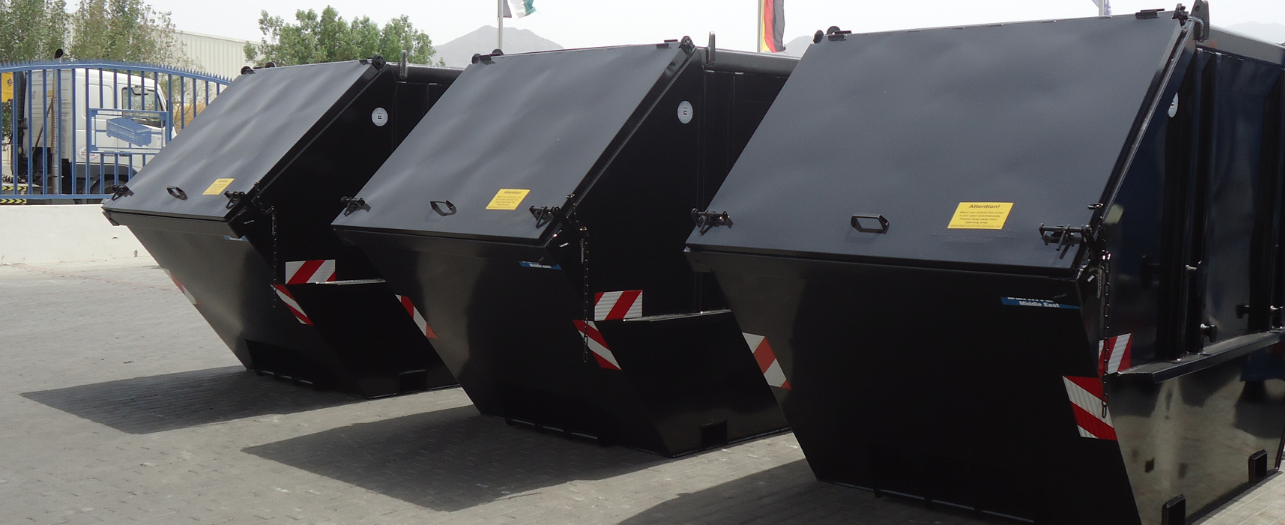
We manufacture open top skips from 5.5 cubic metres up to 15 cubic metres. A 7 CBM skip has a specific volume and a specific weight limit. The two are related but not the same.
Here is where people get confused. You can fill a skip to the brim with cardboard and stay under the weight limit. Fill the same skip with wet soil or concrete rubble, and you will hit the weight limit at half full.
So before loading anything, ask two questions. What is the volume of the skip? What is the maximum safe working load?
Our 12 CBM Open Top Skip, for example, has a bottom plate of 6mm and side wall plates of 4mm. It is built tough. But even that has a limit. Exceed it, and you risk damaging the skip or the collection truck.
A good rule of thumb. For heavy materials like demolition waste or excavated earth, do not fill above halfway. For light waste like packaging or green waste, you can fill to the top.
The right way to distribute weight
Uneven loading is a hidden danger.
Imagine a skip filled entirely at the front. The back is empty. When the truck lifts it, the weight shifts. The skip can tilt or swing. That is dangerous for the driver and anyone nearby.
Load evenly from front to back and side to side. Spread heavy items across the floor of the skip before adding lighter waste on top.
Do not pile everything against one wall. That strains the skip structure. Over time, it causes warping and weakens the lifting points.
We have seen skips returned to us with bent frames because site workers kept throwing heavy debris into the same corner every time. That damage is avoidable. Load evenly.
Also Read: How Shopping Malls in Dubai Handle Daily Trash Loads
What you should never put in a waste skip
Some materials do not belong in an open top skip. Putting them there creates safety hazards and regulatory trouble.
Liquids. Any kind. They leak out during transport and create slippery roads. It is also illegal.
Hazardous waste. Chemicals, paints, solvents, asbestos, oil filters. These need separate handling under UAE regulations.
Gas cylinders. Even empty ones. The compression and heat during transport can cause explosions.
Batteries. They leak acid and pose fire risks.
Large appliances containing refrigerants. Fridges, freezers, AC units. The gases need professional removal.
Medical waste. Needles, bandages, pharmaceuticals. Strict rules apply.
If you are unsure whether a material is allowed, check with your waste contractor first. Better to ask than to cause a contamination incident that shuts down your site.
How high is too high?
A skip loaded above the rim is a problem.
The skip bin safety rules in the UAE require that loads be level with the top of the skip or lower. Nothing sticking up. Nothing hanging over the sides.
Why? Because transport trucks need to cover the skip with a tarpaulin or net. An overloaded skip cannot be covered properly. Debris falls off on the road. That endangers other drivers and leads to heavy fines.
Also, collection trucks are designed to lift skips with level loads. An uneven top load can catch on the truck or tip during lifting.
We tell our clients a simple rule. If you can see waste above the rim, you have loaded too high. Stop adding more. Call for collection instead.
The danger of climbing into skips
This happens more often than it should. A worker climbs into a skip to push down waste or retrieve a tool that fell in. Then they cannot get out easily. Or the waste shifts and traps them.
We have read reports of serious injuries and even fatalities from people entering skips. The risk of suffocation is real, especially with lightweight waste like plastic sheets or dust.
So here is the rule. No one climbs into a skip. Ever.
If waste is sticking up, use a long pole or a rake to push it down from outside. If something valuable falls in, consider whether it is worth the risk. Usually it is not.
Train your team on this. Post signs on every skip. Make it a non-negotiable site rule.
Loading different types of waste correctly
Not all waste loads the same way. Here are practical tips for common materials.
Construction and demolition waste. Concrete, bricks, tiles, rubble. Load these first. Spread them evenly across the floor. Do not drop them from height, as that damages the skip floor. Keep the load low, no more than halfway up.
Green waste. Tree trimmings, grass, leaves. This material is light but bulky. You can fill to the top. But cut branches into shorter lengths so they do not stick out. Compact the load by walking on it lightly, but do not climb in. Use a tool.
Mixed construction waste. Wood, metal, packaging, offcuts. Separate large flat items like plywood sheets. Lay them flat at the bottom or along the sides, not sticking up. Metal pipes should run lengthwise, not crosswise.
General site waste. Plastics, cardboard, empty containers. Flatten cardboard boxes before throwing them in. That saves space and prevents them from catching wind during transport.
Heavy industrial waste. Machinery parts, scrap metal, drums. Place heavy items directly on the skip floor. Do not drop them onto other waste. That can puncture the skip or send debris flying.
The role of skip design in safety
A well designed skip makes correct loading easier.
Our skips feature reinforced lifting points that meet DIN 30720 standards. That means they connect securely to chain loader trucks. Worn or damaged lifting points are a major safety risk. Inspect them before each load.
The skip walls on our 12 CBM model are 4mm thick steel, welded inside and out. That prevents sharp edges that could cut workers. Rounded corners also help.
Some of our skips come with lids or covers for specific applications. If you are loading lightweight waste that tends to blow away, a cover is not optional. It is a safety requirement.
We also offer skips in different RAL colours for easy identification on large sites. Colour coding helps your team quickly see which skip is for which waste type.
Regular inspections catch problems early
A skip that is damaged is a skip that is dangerous.
Before each loading cycle, check the skip for:
- Bent or cracked walls
- Damaged lifting rings or hooks
- Rusted through spots, especially on the floor
- Loose or missing hinges if the skip has a lid
- Sharp edges that could cut someone
If you spot damage, take the skip out of service. Contact your supplier for repair or replacement. Do not try to weld it yourself unless you are qualified. Improper repairs can fail during lifting.
We offer maintenance support for all our skips. A quick call to our team can save you from a much bigger problem later.
Training your team on skip bin safety rules
The best skip in the world is useless if your team loads it wrong.
Create a simple one page guide for your site. Include these points:
- Do not overload. Stop at the rim.
- Do not climb in. Ever.
- Spread heavy items evenly.
- No liquids, hazardous waste, or gas cylinders.
- Cover the load if required.
- Inspect the skip before each use.
- Call for collection when full, not overflowing.
Go over these rules in your daily site safety briefings. Post them near the skip. And hold people accountable. A worker who routinely overloads skips is a liability.
What the regulations say
The waste management regulations in UAE require proper handling of construction waste. While the federal framework sets broad rules, local municipalities enforce specific loading and transport standards.
For example, any vehicle transporting waste on UAE roads must have the load covered. Uncovered skips lead to fines. Repeat offences can result in permits being suspended.
Additionally, mixing hazardous waste with general construction waste is a serious violation. We have seen sites shut down temporarily for this. The cleanup and investigation costs far exceed what you would have paid for proper disposal.
Know the rules for your emirate. Dubai, Abu Dhabi, Sharjah, and the northern emirates each have their own enforcement priorities. When in doubt, ask your waste contractor or a compliance consultant.
A final checklist before you call for collection
Before you pick up the phone to schedule a skip haul, run through this list.
Is the skip loaded level with the top or lower? Yes or no. If no, remove material.
Is the weight evenly distributed? Walk around the skip. Does one side look heavier? If yes, rearrange.
Is the load covered? If you are transporting on public roads, yes or no. If no, get a tarpaulin.
Are any prohibited materials in the skip? Hazardous waste, liquids, gas cylinders? If yes, remove them immediately.
Is the skip in good condition? Lifting points intact? No holes or cracks? If no, do not use it.
Can you see the skip label with capacity information? If it is faded or missing, ask your supplier for a replacement.
Answer yes to all these questions. Then call for collection.
Better loading means safer sites
Correct skip loading is not complicated. But it requires attention and consistency. One worker cutting corners can create a hazard for everyone.
We have supplied waste skip UAE sites for years. The clients who take loading seriously have fewer accidents, lower costs, and smoother project timelines. The ones who do not? They deal with fines, injuries, and frustrated truck drivers.
You decide which group you want to be in.
Train your team. Check your skips. Load evenly. Stop at the rim. And never, ever climb in.
