


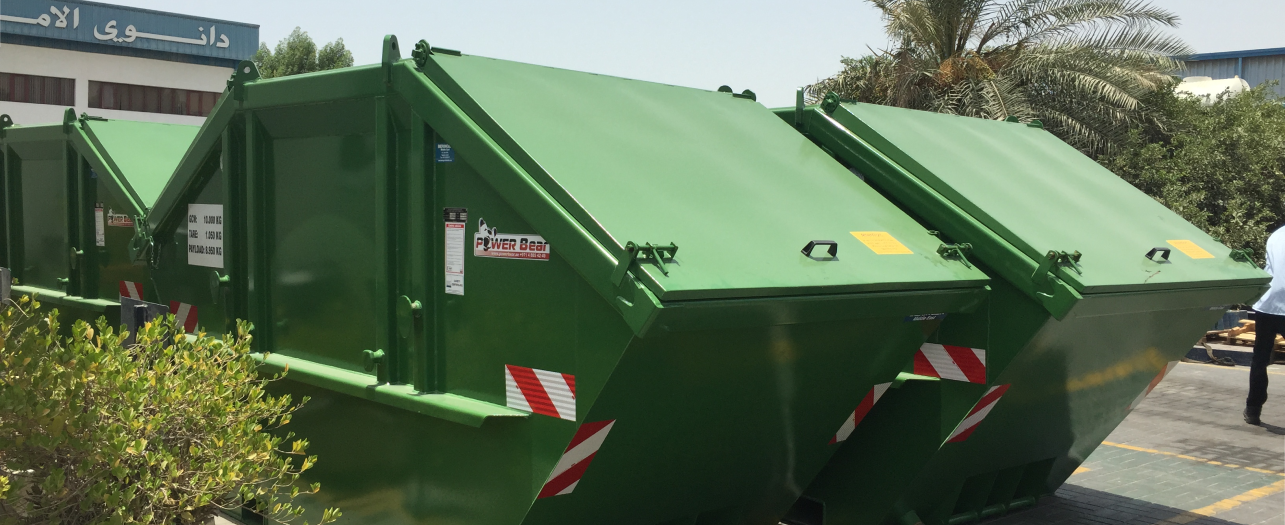
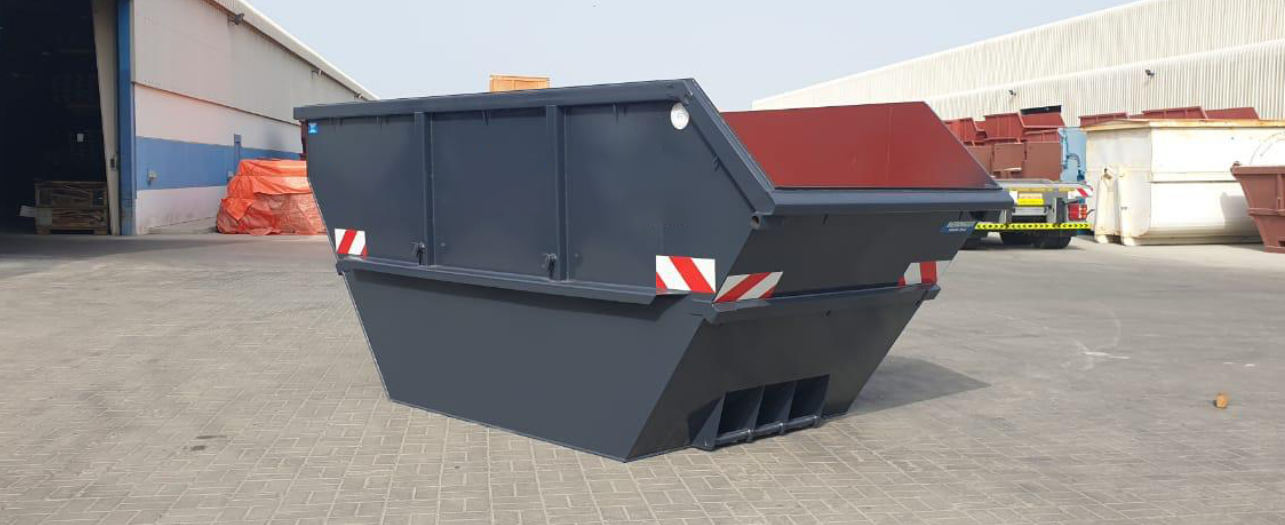
Choosing between open and covered waste skip bins is imperative, since the choice depends on factors like the type of waste, the security at the site, and the overall weather safety that you require. In most cases, open waste skips are suitable for bulky, large, and heavy materials to ensure easier loading, while covered waste skips offer more security while safeguarding the contents from the elements and preventing unauthorized tipping. Let us understand their key differences and usage aspects below. Both these types of waste skips have some key differences that you need to understand in detail. Here’s mapping the same below:
Open vs Covered Waste Skip Comparison
Both these types of waste skips have some key differences that you need to understand in detail. Here’s mapping the same below:
| Key Aspect | Open Skips | Covered Skips |
| Top | Open (without any lid) | Lockable Lid |
| Primary Usage | Construction, mixed, and bulky waste | Light, confidential, and sensitive waste |
| Ease of Loading | Very Easy (full access from all the sides) | Moderately Easy (needs opening or closing of the lid) |
| Security | Lower (vulnerable to fly-tipping or theft) | Higher (padlockable) |
| Weather Protection | None (may be vulnerable to snow or rain) | Excellent (keeps the contents dry) |
| Costs | Generally more affordable | Generally costlier |
Now let us understand when you should choose between both these types of waste skip bins, depending on their usage requirements.
Choosing the Right Waste Skip Container- Key Tips
So, which type of waste skip bins should you use and in what scenarios? Let’s take a closer look at the same below.
When you should use open waste skips:
- Open-top skips are standard options for demolition, construction, and big-ticket home renovation projects.
- They are ideal for bulky materials like rubble, concrete, soil, bricks, and big timber pieces.
- The open design enables easier loading with loaders, excavators, and wheelbarrows.
- They are usually ideal for clearing out mixed waste, i.e. larger amounts of furniture or construction debris.
- If you have a high-volume project, they are ideal for high-output sites that require frequent and swift disposal.
When you should use covered waste skips:
- Lockable and enclosed skips are vital for safeguarding contents and securing the site in question.
- Use when the skip is positioned in a public zone or driveway to prevent fly-tipping or theft of debris.
- It is necessary to keep materials like insulation, plasterboard, or wood dry.
- You may use it to contain light waste, odors, or debris that may blow away or lead to public nuisance.
- It is also helpful for storing any hazardous materials or sensitive items before their disposal.
Of course, keep an eye on the waste type and location of the skip before making a final decision. Remember that covered skips cannot be overfilled, thereby combating issues with the transportation of overflowing debris. Both types also have various sizes which you should take a look at.
Simplify Waste Disposal with POWER Bear
In conclusion, the choice of whether to use open or covered skip bins for waste disposal depends on the requirements of your project, among other factors. With open skip bins, you can dispose of bulky and heavy waste with ease, making them the best option for construction and clean-up activities. On the other hand, the use of covered skip bins ensures security, weather, and control of waste disposed of in them. At POWER Bear, we offer a variety of waste skip bins of high quality to cater to different requirements.
