



In waste management, buying the equipment is only the beginning of the story. Whether it is a simple wheelie bin or a complex solar powered compacting system, what truly determines long-term value is what happens after installation. This is where after sales support becomes more than a checklist item and turns into a real business differentiator. For municipalities, facility managers, and commercial operators, uptime, reliability, and consistent performance matter just as much as the product itself. A bin that cannot be serviced or a compactor that stays idle for weeks can quickly turn a well-planned waste management system into an operational headache.
This is why forward-looking waste equipment buyers today look beyond specifications and pricing. They evaluate brands on their ability to stand by their products over years of use, across different sites and operating conditions.
The real-world importance of after-sales support in waste management
Waste management equipment works in demanding environments. It is exposed to heat, dust, moisture, rough handling, and continuous daily use. Over time, even the best-built systems need inspection, calibration, part replacement, or minor repairs. The importance of after sale support becomes clear when you consider how central these systems are to daily operations.
A stuck waste skip, a non-functioning compactor, or a damaged container does not just create inconvenience. It disrupts workflows, affects hygiene standards, and can even create safety risks. Reliable after sales service support ensures that these issues are resolved quickly and that small problems do not grow into major failures.
For large facilities, shopping malls, residential communities, or city authorities, this support layer is what keeps the entire waste handling chain running smoothly.
From product ownership to long-term performance
Many buyers still evaluate waste equipment mainly on upfront cost. However, the true cost of ownership is shaped by maintenance, servicing, and downtime. This is where structured waste equipment service and support makes a measurable difference.
A brand that provides timely inspections, clear service processes, and easy access to spares helps extend the usable life of equipment. Over a period of years, this reduces replacement costs and improves return on investment. It also gives operations teams confidence that they are not alone once the equipment is delivered and installed.
In practice, this means that a galvanized steel bin, a RO-RO container for hook loader trucks, or a chain loader skip is not just a product purchase. It is part of a long-term service relationship.
Why waste equipment needs specialized maintenance support
Unlike generic machinery, waste handling systems have very specific operating patterns and stress points. Compactors deal with variable loads, containers face mechanical stress during lifting and transport, and food waste systems work in conditions that demand strict hygiene control. This is why waste equipment maintenance support cannot be an afterthought.
For example, a solar powered compacting bin is not only a container. It is also an integrated system with electrical and mechanical components that need periodic checks. Similarly, aerobic food digesters require monitoring to ensure they continue to function efficiently and without odour or processing issues.
When a brand understands these use cases deeply and builds its service processes around them, customers experience fewer breakdowns and more predictable performance.
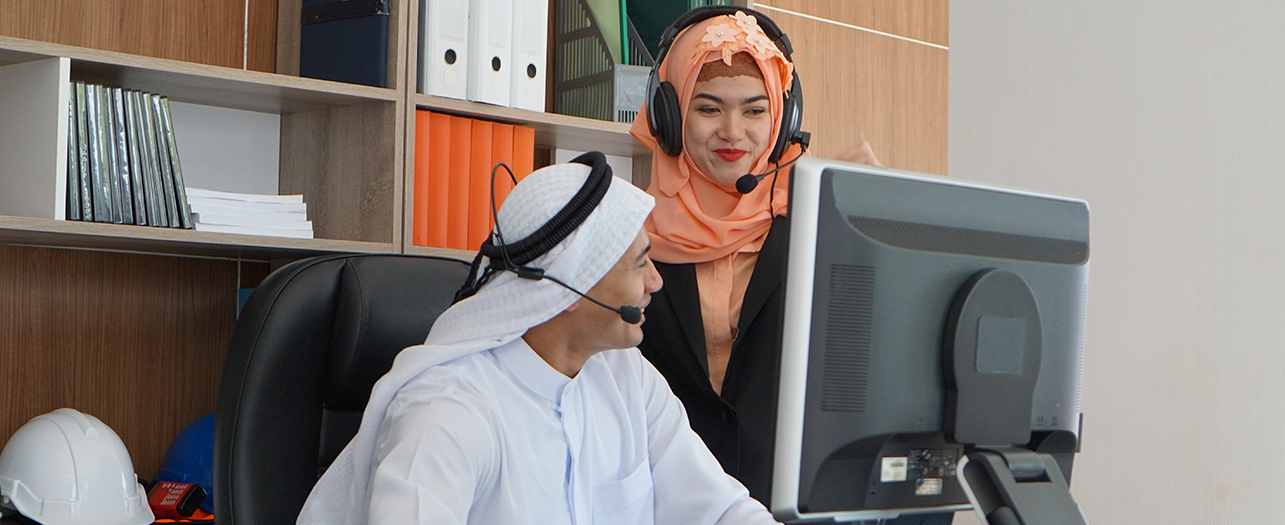
After-sales support as a trust signal
In markets like the UAE and the wider Middle East, waste management projects are often large, visible, and long-term. Buyers are not just choosing a product. They are choosing a partner. Strong after sales support sends a clear signal that the brand is confident in its engineering and committed to the customer beyond the point of sale.
This is one of the reasons why POWER Bear’s approach stands out in practical deployments. Across solutions like MGB wheelie bins, heavy-duty waste skips, RO-RO containers, and advanced AI-enabled recycling bins, the emphasis is not only on manufacturing and supply but also on ongoing serviceability and support planning.
For clients, this translates into fewer surprises and more stable operations.
How good support improves operational planning
When service processes are predictable and responsive, facility managers can plan maintenance instead of reacting to failures. This shift from reactive to proactive management is one of the biggest hidden benefits of strong after sales service support.
Scheduled inspections, timely part replacements, and clear escalation paths help organizations maintain consistent cleanliness standards and compliance levels. Over time, this also improves internal budgeting since maintenance costs become more predictable and emergency repairs become less frequent.
In environments such as airports, business districts, large residential developments, and industrial zones, this reliability is not optional. It is essential.
Subtle but important differences between brands
On paper, many waste equipment products may look similar. The real differences often appear only after months of use. One brand might deliver a container, but leave the customer struggling to get service. Another builds a support structure that makes ownership easy.
This is where the importance of after sale support becomes a genuine differentiator rather than a marketing phrase. It influences repeat purchases, long-term contracts, and brand reputation in the market.
POWER Bear’s portfolio, which ranges from customizable designer bins to technologically advanced smart systems, is designed with this lifecycle view in mind. The products are meant to be used, serviced, adapted, and kept in operation over long periods, not just installed and forgotten.
Looking beyond the purchase decision
For procurement teams and project planners, the lesson is simple. The evaluation process should not stop at capacity, material, or price. It should also include clear questions about waste equipment service and support, response times, availability of spares, and the structure of maintenance programs.
In many cases, the brand that offers stronger support ends up being the more economical choice over five or ten years, even if the initial investment is slightly higher.
Conclusion: Support is part of the product
In modern waste management, the line between product and service is increasingly blurred. Equipment performance over time depends as much on support systems as on design and manufacturing quality. This is why after sales support is no longer an optional extra. It is a core part of the value proposition.
For organizations that want dependable, long-term waste management solutions, choosing a brand like POWER Bear means choosing not just equipment, but a complete, service-backed system that is built to perform well beyond day one.
