


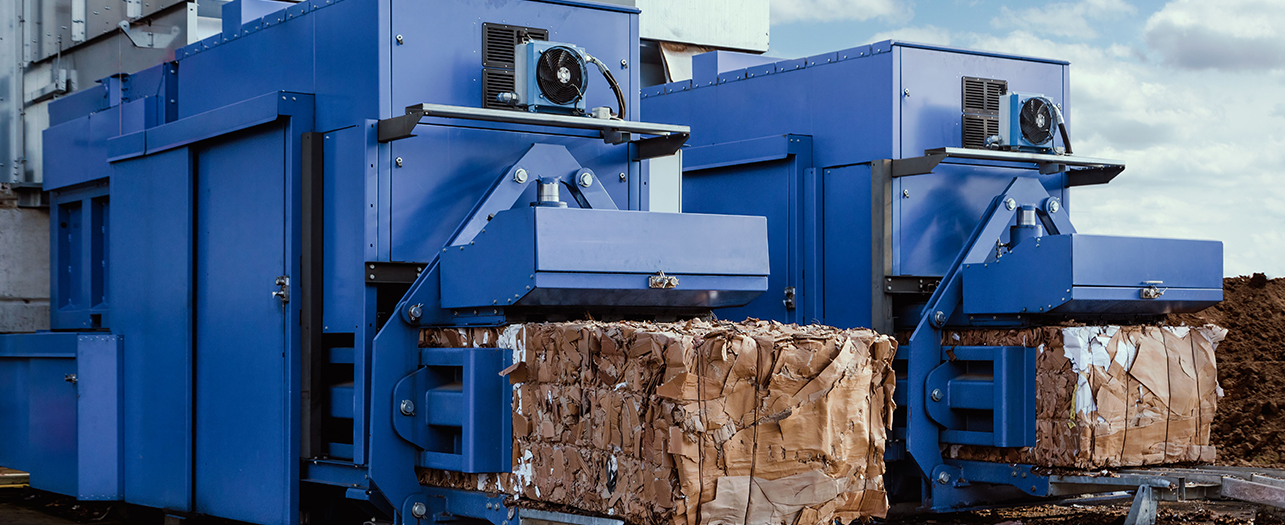
Waste balers are powerful machines that reduce volume, lower disposal costs and make recycling more efficient. At the same time, they present real hazards when operators are untrained, procedures are informal, or maintenance is deferred. This guide gives five practical, actionable waste baler safety tips that reduce risk, improve uptime and make baling operations predictable. The advice is aimed at facilities managers, recycling operators and logistics teams who work with vertical and horizontal balers in retail, manufacturing, distribution and waste-handling sites.
1. Prioritise operator training and clear procedures
One consistent cause of accidents is incomplete training. Make sure every operator completes a formal training programme before they work the baler. Training should cover:
- Machine controls and the purpose of each control, including the emergency stop;
- Permitted materials and prohibited items;
- The proper sequence for loading, starting, compressing and tying off a bale;
- Basic fault diagnosis and when to call maintenance.
Maintain short, laminated operating instructions on or beside the machine and require operators to sign a competence checklist. Well trained staff are the first and best line of defence in any waste baler safety guidelines.
2. Use a pre-start safety checklist every shift
A short, consistent pre-start inspection prevents many common failures. Create a waste baler safety checklist that operators must complete at the start of each shift. Key items include:
- Visual check for cracks, hydraulic leaks, frayed wiring and loose fasteners;
- Verify guards, interlocks and access doors are secure and functional;
- Confirm emergency stop and lockout/tagout procedures are accessible and tested;
- Ensure the strapping and ejection systems operate smoothly.
Log the checklist in a simple register. If any item fails, remove the machine from service until a qualified technician signs it back in.
3. Follow proper loading procedures
Incorrect loading increases the chance of bridging, unbalanced compression and unexpected ejection. To reduce hazards:
- Follow material guidelines for your baler model (cardboard, film, PET, residual) and pre-crush or flatten bulky items;
- Never insert hands into the feed area while the machine is powered; use feeding tools or trolleys where possible;
- Exclude hazardous items such as batteries, pressurised cylinders, loose glass or unemptied containers;
- Load evenly to avoid off-centre bales that can jam or damage the press.
Clear rules about permitted materials and an inspection point before feeding greatly reduce operator exposure and machine stress. This is central to how to use a waste baler safely.
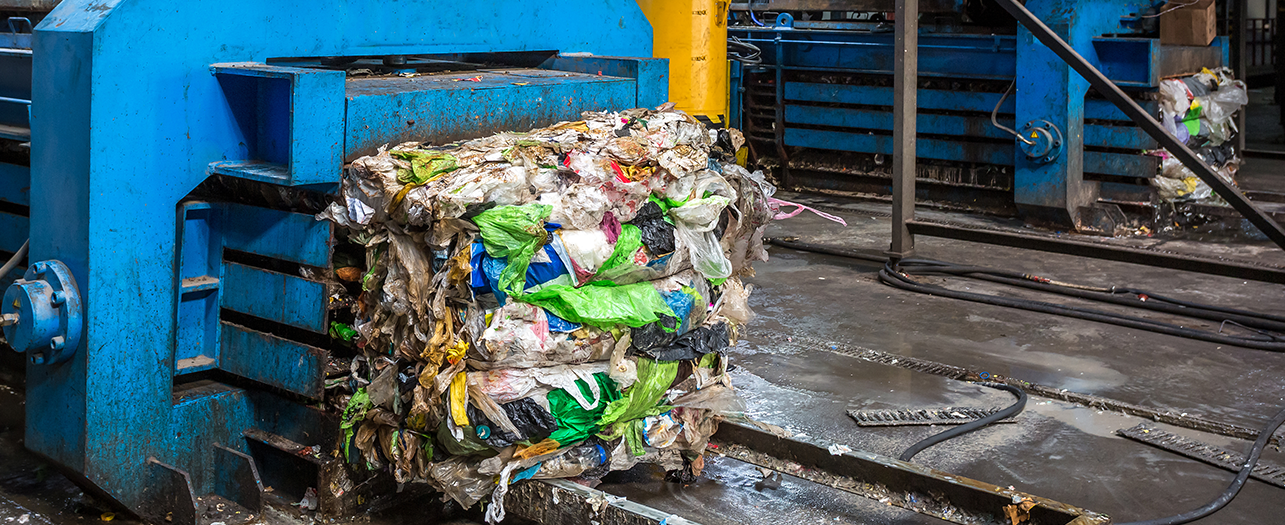
4. Follow lockout/tagout and safe maintenance practices
Most serious incidents occur during maintenance or when safety devices are bypassed. Adopt strict lockout/tagout (LOTO) procedures:
- Isolate power, relieve hydraulic pressure and secure the machine with visible tags before any inspection or repair;
- Only trained technicians should remove guards or access the pressing chamber;
- Use tools designed for bale removal rather than reaching into the chamber;
- Keep a maintenance log that records work completed, replacement parts and next scheduled service.
LOTO procedures must be enforced by supervisors and audited periodically. Enforced LOTO reduces injuries and prevents unplanned downtime.
5. Schedule preventive maintenance and use authorised parts
Regular service preserves the integrity of safety systems. Follow manufacturer maintenance intervals for hydraulic fluid, seals, guide bearings, electrical checks and hydraulic hoses. Use only authorised spare parts and consumables to maintain designed safety margins. A simple maintenance plan should include:
- Daily operator checks, weekly minor servicing and an in-depth quarterly inspection;
- Scheduled replacement of wear parts identified by the manufacturer;
- Documented after-sales service and a clear escalation path for faults that cannot be fixed on site.
Preventive maintenance is also a proven way to avoid common waste baler safety mistakes such as operating with worn seals, failing hydraulic hoses or bypassed interlocks.
POWER Bear’s Waste Balers - Where Ease of Use Meets Quality
POWER Bear supplies a comprehensive range of waste balers for different scales and material types. Our portfolio includes vertical presses such as the Orwak series, horizontal and channel balers for high throughput applications, and heavy-duty HL series models for large volumes. Features across the range include user-friendly controls, options for automatic strapping and bale ejection, and models designed for plastic film, PET and corrugated cardboard. These machines can reduce waste volume dramatically and are supported by delivery, installation, operator training and after-sales service from POWER Bear. For technical specifications and model choices consult the product pages to match machine capacity to your throughput and material profile.
How to use a waste baler safely - A simple checklist
Different waste balers follow different procedures, so there’s no fixed guide to using them safely. But for general rules of thumb, ensure you are covering the following points:
- Verify operator competence and PPE.
- Complete the pre-start inspection and log results.
- Confirm permitted materials and load evenly.
- Ensure guards and interlocks are engaged.
- Apply lockout/tagout before any maintenance.
- Use authorised parts and log all service activity.
Common waste baler safety mistakes to avoid
Waste Balers are not inherently complicated, but it is important to ensure you are training your staff to use them, and avoid harmful safety mistakes such as:
- Allowing untrained staff to operate the baler;
- Skipping pre-start checks;
- Bypassing safety interlocks to save time;
- Using incorrect or worn strapping and parts;
- Delaying repairs until small faults become major hazards.
Conclusion
Applying a short list of disciplined controls—training, pre-start checks, safe loading, strict lockout/tagout and preventive maintenance—will prevent most baler incidents and deliver reliable throughput. For organisations buying or upgrading equipment, choose machines sized for your volumes and backed by installation, training and authorised service. POWER Bear’s baler range and service offering can be integrated into a safety-led operational plan so facilities achieve both efficiency and compliance. For specific model selection and maintenance packages refer to POWER Bear’s product information and service options.
